Honey Garlic Salmon Meal Prep – Easy, Flavorful, and Ready for the Week
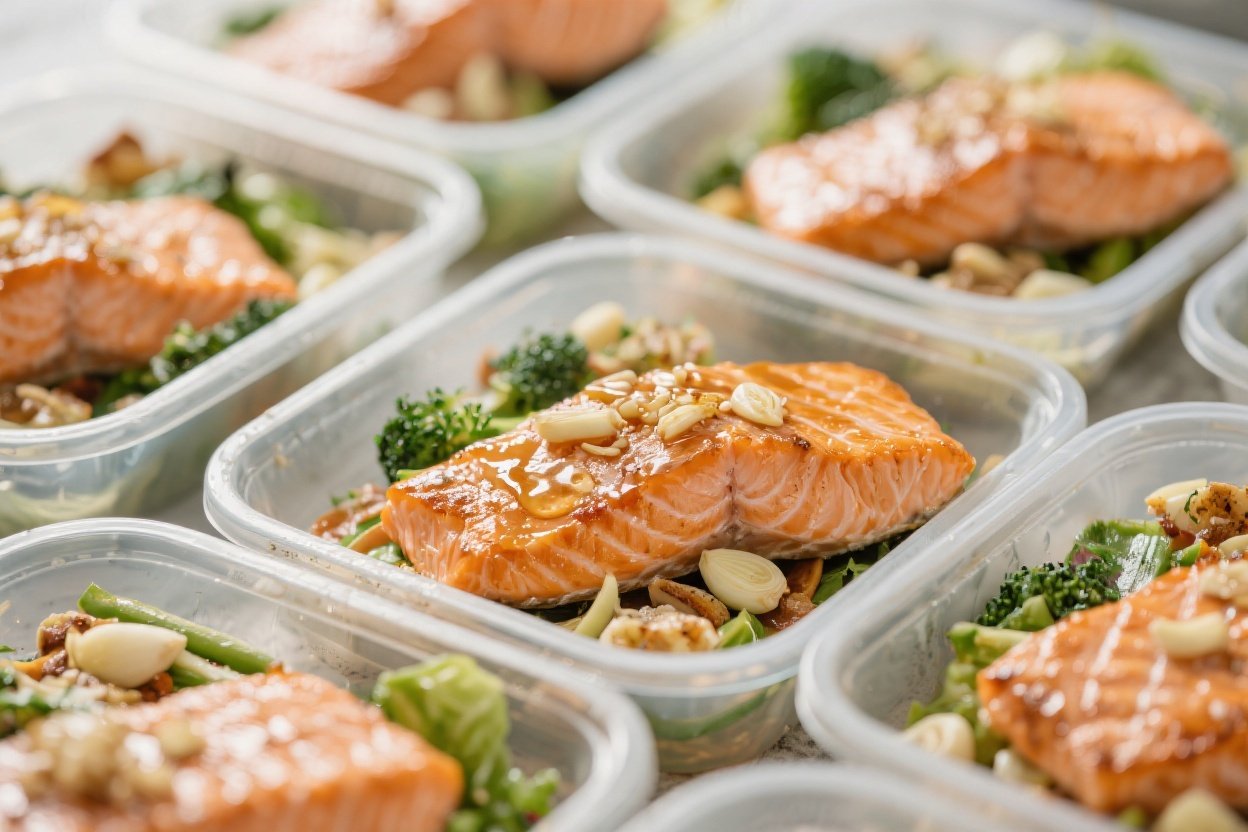
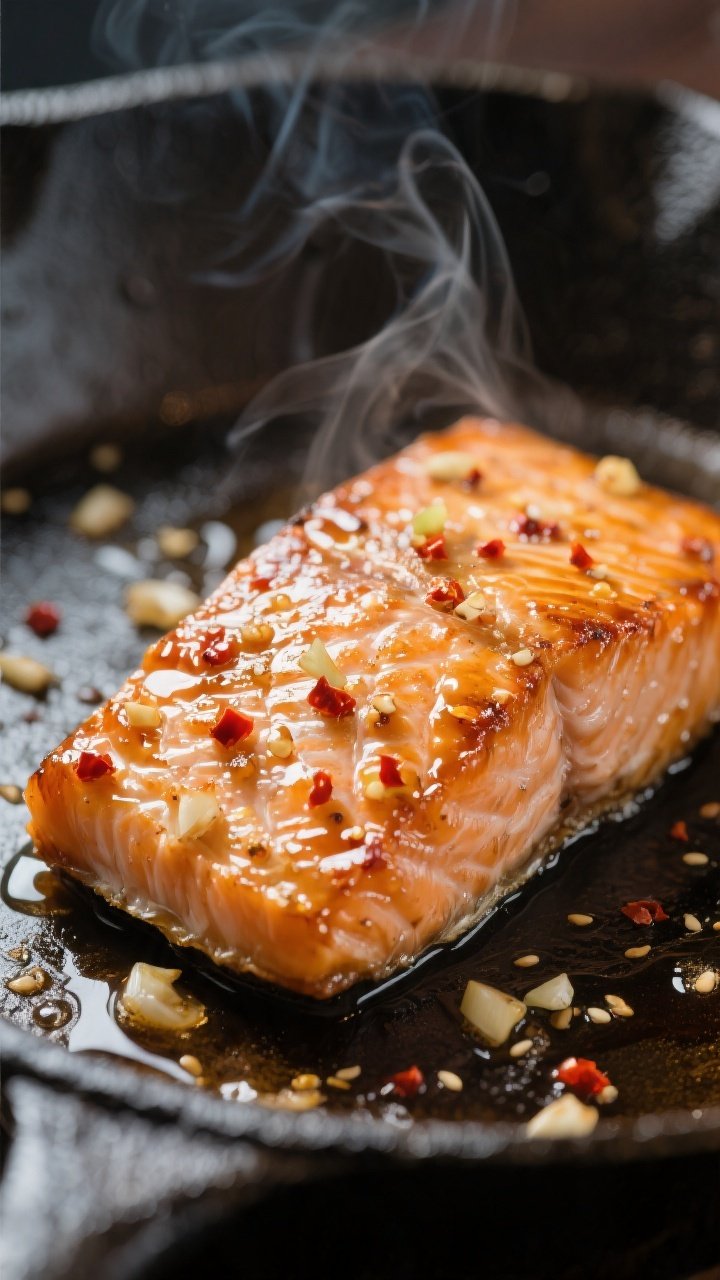
This Honey Garlic Salmon Meal Prep hits that sweet spot: bold flavor, simple steps, and real food that keeps you satisfied. It’s perfect for busy weeknights or days when you want a no-fuss lunch that still feels like a treat. The sauce is sticky, garlicky, and balanced with just enough tang to keep it light.
Pair it with quick sides like rice and roasted veggies, and you’re set for the next few days without getting bored.
Ingredients
Method
- Make the sauce: In a small bowl, whisk honey, minced garlic, soy sauce (or tamari), lemon juice, and rice vinegar. Add sesame oil and red pepper flakes if using. Taste and adjust sweetness or acidity. If you like a thicker glaze, whisk in cornstarch until smooth.
- Prep the salmon: Pat fillets dry with paper towels. Season lightly with salt and black pepper. Drying helps the fish sear better and reduces excess moisture.
- Choose your cooking method: You can bake or pan-sear. Both work well for meal prep.
- To bake: Heat oven to 400°F (205°C). Line a sheet pan with parchment. Place salmon fillets on the pan and spoon about half the sauce over each piece. Bake 9–12 minutes, depending on thickness, until the center is just opaque and flakes easily.
- To pan-sear: Heat a large skillet over medium-high with a little oil. Place salmon skin-side down (if using skin-on) and cook 3–4 minutes until the edges turn opaque. Flip carefully, lower heat to medium, and pour in the sauce. Cook 2–4 more minutes, basting, until the sauce is glossy and the salmon is just cooked.
- Thicken extra glaze (optional): If you saved some sauce, simmer it in a small pan for 1–2 minutes until slightly thickened. This makes a great drizzle for serving.
- Cook your sides: While the salmon cooks, make rice or quinoa according to package directions. Roast veggies at 425°F (220°C) with a little oil, salt, and pepper for 12–18 minutes, or steam for a faster option.
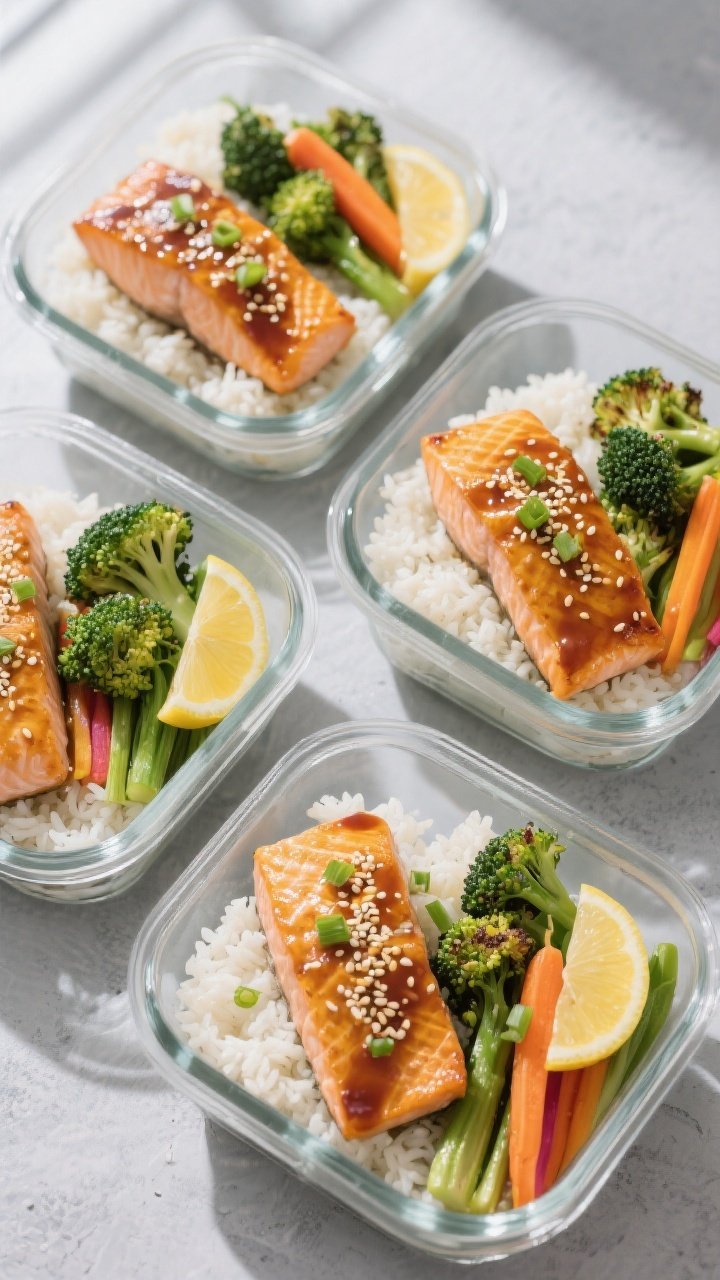
- Assemble meal prep bowls: Divide rice or grains among 4 containers. Add roasted or steamed veggies. Top with a salmon fillet. Spoon any remaining glaze over the salmon.
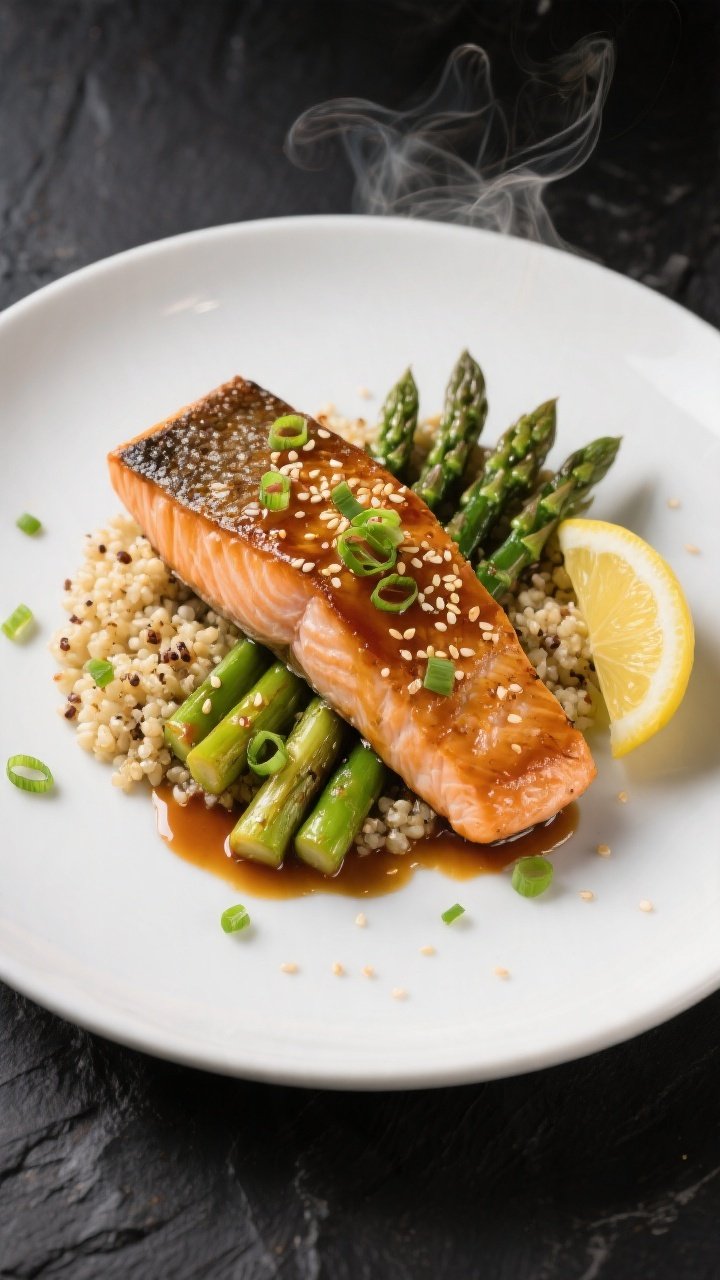
- Finish and garnish: Sprinkle with sesame seeds and scallions. Add lemon wedges to brighten the meal right before eating.
- Cool before sealing: Let containers cool on the counter 15–20 minutes before closing to avoid condensation and soggy sides.
What Makes This Recipe So Good
- Fast and foolproof: The sauce comes together in minutes, and the salmon cooks quickly in the oven or on the stovetop.
- Big flavor, simple ingredients: Honey, garlic, soy sauce, and lemon are pantry staples that deliver restaurant-level taste.
- Perfect for meal prep: Holds up well for 3–4 days and reheats without getting dry if you follow the tips below.
- Balanced meal: Protein-packed salmon, a light sauce, and easy sides make it satisfying without feeling heavy.
- Flexible: Swap sides, adjust sweetness, go gluten-free, or make it spicy—this recipe plays well with changes.
Shopping List
- Salmon: 4 fillets (about 5–6 ounces each), skin-on or skinless
- Honey: 3 tablespoons
- Garlic: 4–5 cloves, minced
- Soy sauce or tamari: 3 tablespoons (use low-sodium if preferred)
- Lemon juice: 1–2 tablespoons (or use lime)
- Rice vinegar: 1 tablespoon (optional, for extra tang)
- Sesame oil: 1 teaspoon (optional, for depth)
- Red pepper flakes: 1/4–1/2 teaspoon (optional, for heat)
- Cornstarch: 1 teaspoon (optional, to thicken glaze)
- Olive oil or avocado oil: 1–2 tablespoons
- Salt and black pepper: to taste
- Sides (choose a few): jasmine or brown rice, quinoa, roasted broccoli, green beans, asparagus, carrots, bell peppers, or mixed greens
- Garnishes: sesame seeds, chopped scallions, lemon wedges
Step-by-Step Instructions
- Make the sauce: In a small bowl, whisk honey, minced garlic, soy sauce (or tamari), lemon juice, and rice vinegar. Add sesame oil and red pepper flakes if using. Taste and adjust sweetness or acidity.
If you like a thicker glaze, whisk in cornstarch until smooth.
- Prep the salmon: Pat fillets dry with paper towels. Season lightly with salt and black pepper. Drying helps the fish sear better and reduces excess moisture.
- Choose your cooking method: You can bake or pan-sear.
Both work well for meal prep.
- To bake: Heat oven to 400°F (205°C). Line a sheet pan with parchment. Place salmon fillets on the pan and spoon about half the sauce over each piece.
Bake 9–12 minutes, depending on thickness, until the center is just opaque and flakes easily.
- To pan-sear: Heat a large skillet over medium-high with a little oil. Place salmon skin-side down (if using skin-on) and cook 3–4 minutes until the edges turn opaque. Flip carefully, lower heat to medium, and pour in the sauce.
Cook 2–4 more minutes, basting, until the sauce is glossy and the salmon is just cooked.
- Thicken extra glaze (optional): If you saved some sauce, simmer it in a small pan for 1–2 minutes until slightly thickened. This makes a great drizzle for serving.
- Cook your sides: While the salmon cooks, make rice or quinoa according to package directions. Roast veggies at 425°F (220°C) with a little oil, salt, and pepper for 12–18 minutes, or steam for a faster option.
- Assemble meal prep bowls: Divide rice or grains among 4 containers.
Add roasted or steamed veggies. Top with a salmon fillet. Spoon any remaining glaze over the salmon.
- Finish and garnish: Sprinkle with sesame seeds and scallions.
Add lemon wedges to brighten the meal right before eating.
- Cool before sealing: Let containers cool on the counter 15–20 minutes before closing to avoid condensation and soggy sides.
How to Store
- Refrigerator: Store in airtight containers for up to 3–4 days. Keep sauce separate if you prefer a fresher finish.
- Freezer: Cooked salmon can be frozen for up to 2 months, but texture is best fresh. If freezing, avoid delicate greens and use heartier veggies like broccoli or carrots.
- Reheating: Microwave at 50–70% power for 60–90 seconds, just until warmed.
Or warm gently in a covered skillet over low heat with a splash of water. Don’t overheat—salmon dries out fast.
Why This is Good for You
- High-quality protein: Salmon keeps you full and supports muscle and recovery.
- Omega-3 fats: These healthy fats are linked to heart and brain health.
- Balanced macros: With a grain and vegetables, you get fiber, complex carbs, and micronutrients in one bowl.
- Lower sugar than takeout: The sauce is lightly sweet without going overboard, and you control the sodium with low-sodium soy sauce.
Loved This Recipe?
If you're looking for more simple, healthy keto dinners, grab my FREE 7-Day Easy Keto Dinner Reset. You'll get 7 easy keto dinner recipes, simple grocery lists, and a done-for-you plan that takes the stress out of mealtime.
Common Mistakes to Avoid
- Overcooking the salmon: Pull it when it’s just opaque and flakes easily. Residual heat will finish the job.
- Soggy veggies: If roasting, space them out on the pan. Crowding leads to steaming instead of browning.
- Skipping the dry pat: Not drying the salmon leads to weak sear and watery sauce.
- Too much sauce too soon (pan method): Add sauce after the first sear to avoid burning the honey.
- Sealing containers while hot: Traps steam and makes everything mushy.
Let them cool first.
Variations You Can Try
- Ginger boost: Add 1–2 teaspoons fresh grated ginger to the sauce for warmth and freshness.
- Spicy kick: Stir in sriracha, gochujang, or a pinch of cayenne for heat.
- Citrus swap: Use lime instead of lemon and add a little orange zest for a brighter glaze.
- Gluten-free: Use tamari or coconut aminos and check labels on vinegar and cornstarch.
- Low-carb: Serve with cauliflower rice and roasted asparagus or zucchini.
- Sheet-pan special: Roast salmon and broccoli on the same tray. Add the sauce to salmon halfway through to prevent burning.
- Herb finish: Top with chopped cilantro, parsley, or chives for a fresh pop.
FAQ
How do I know when salmon is done?
The flesh should turn from translucent to opaque and flake easily with a fork. If you use a thermometer, aim for 125–130°F (52–54°C) for moist, medium doneness.
It will continue to cook slightly after you remove it from heat.
Can I use frozen salmon?
Yes. Thaw it overnight in the fridge or under cold running water in its packaging. Pat very dry before seasoning to prevent excess moisture and splatter.
What sides go best with honey garlic salmon?
Rice, quinoa, or noodles work well, plus a green vegetable like broccoli, green beans, or asparagus.
Roasted carrots or bell peppers add sweetness that pairs nicely with the glaze.
Can I cook this in an air fryer?
Absolutely. Air-fry at 390°F (200°C) for 7–10 minutes depending on thickness. Brush on the sauce in the last few minutes to avoid burning the honey.
Is there a way to make the sauce thicker?
Yes.
Whisk 1 teaspoon cornstarch into the sauce and simmer it for 1–2 minutes until glossy. You can also reduce it in the pan after cooking the salmon.
What if I don’t eat honey?
Maple syrup works well and keeps the same overall flavor balance. Start with the same amount, taste, and adjust to your liking.
How do I prevent the garlic from burning?
If pan-cooking, add the sauce after searing the salmon so the garlic has liquid around it.
Keep heat at medium to avoid scorching the honey and garlic.
Can I make this ahead the night before?
Yes. Mix the sauce and prep your veggies and grains. Cook everything the next day, or cook it all and store as meal prep for up to 3–4 days.
What’s the best way to reheat without drying it out?
Use lower microwave power (50–70%) for 60–90 seconds, or rewarm in a covered skillet with a tablespoon of water over low heat.
Add a squeeze of fresh lemon to wake up the flavors.
Can I use another fish?
Yes. Try trout, cod, or halibut. Adjust cook time based on thickness—leaner fish like cod cook quickly and can dry out, so watch closely.
Wrapping Up
Honey Garlic Salmon Meal Prep gives you big flavor with minimal effort, and it stays tasty for days.
With a handful of pantry staples and a smart reheating approach, you’ll have reliable, satisfying meals ready to go. Keep the sauce balanced, don’t overcook the fish, and pair it with simple sides. It’s a weeknight win you’ll want on repeat.
Printable Recipe Card
Want just the essential recipe details without scrolling through the article? Get our printable recipe card with just the ingredients and instructions.