Lemon Butter Salmon – Bright, Silky, and Weeknight Easy
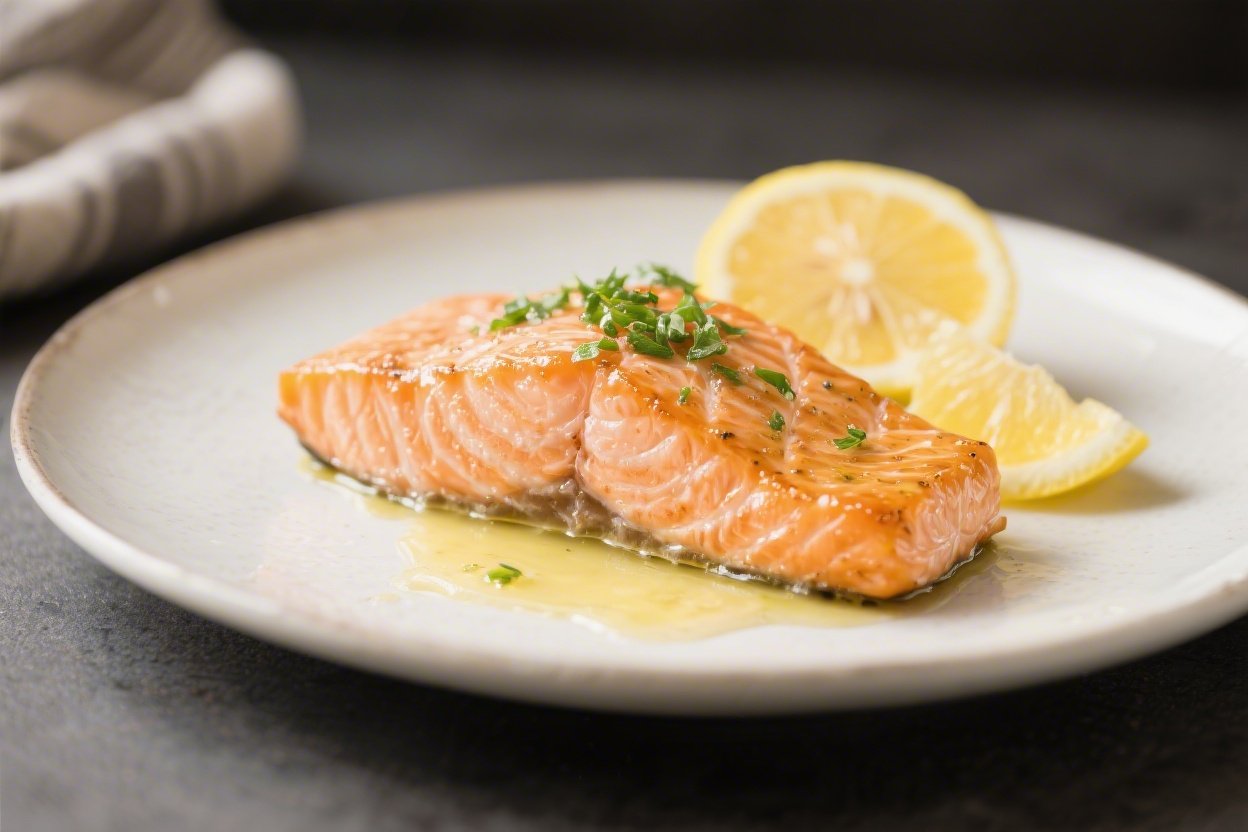
Salmon and lemon butter are a classic pair for a reason: they bring out the best in each other. This recipe leans on that simple truth to deliver a meal that feels special without being fussy. You’ll get flaky salmon, a glossy butter sauce, and bright citrus notes in every bite.
It’s quick, uses basic ingredients, and works just as well for a Tuesday dinner as it does for company. If you’re new to cooking fish, this is a forgiving, confidence-building place to start.
Ingredients
Method
- Pat the salmon dry: Use paper towels to blot both sides. Dry fish browns better and won’t stick as much.
- Season: Sprinkle the fillets with salt and pepper. If the fillets are thick, season the sides too.
- Choose your method: Skillet for a crisp edge, or oven for hands-off cooking. Both deliver great results.
- Skillet method (quick): Heat a large nonstick or stainless skillet over medium-high. Add olive oil. Place salmon in the pan, skin-side down if using skin-on. Cook 3–4 minutes until the underside browns and the fish releases easily. Flip and cook another 2–4 minutes, depending on thickness, until the center is just turning opaque.
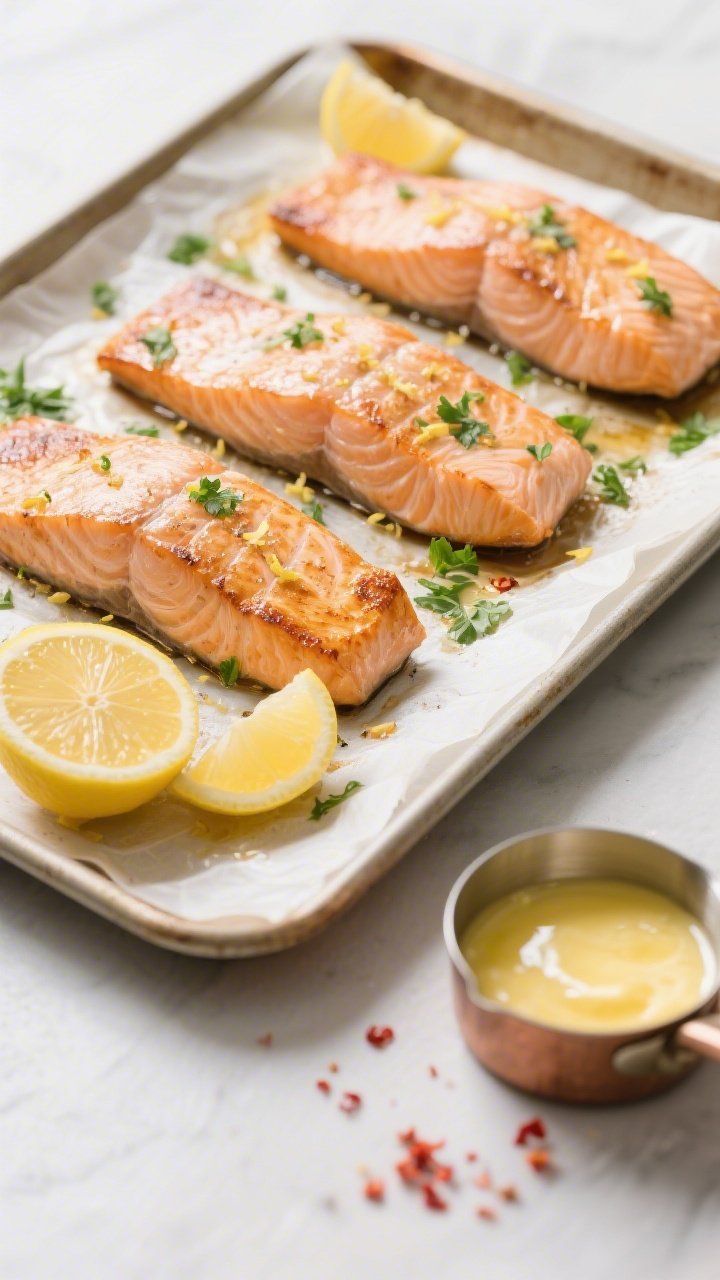
- Oven method (even cooking): Preheat to 400°F (200°C). Line a sheet pan with parchment. Drizzle salmon with olive oil; season. Roast 9–12 minutes, depending on thickness, until just opaque and flakes with gentle pressure.
- Make the lemon butter: In a small saucepan or the empty skillet over low heat, melt the butter. Add garlic and cook 30–60 seconds until fragrant, not browned. Stir in lemon zest and juice. Taste and balance with a touch of honey or Dijon if it’s too sharp. Add a pinch of red pepper flakes if you like heat. Finish with chopped herbs. Do not boil the sauce—gentle heat keeps it silky.
- Finish the fish: Spoon warm lemon butter over the salmon. Let it rest 2 minutes so the sauce soaks in.
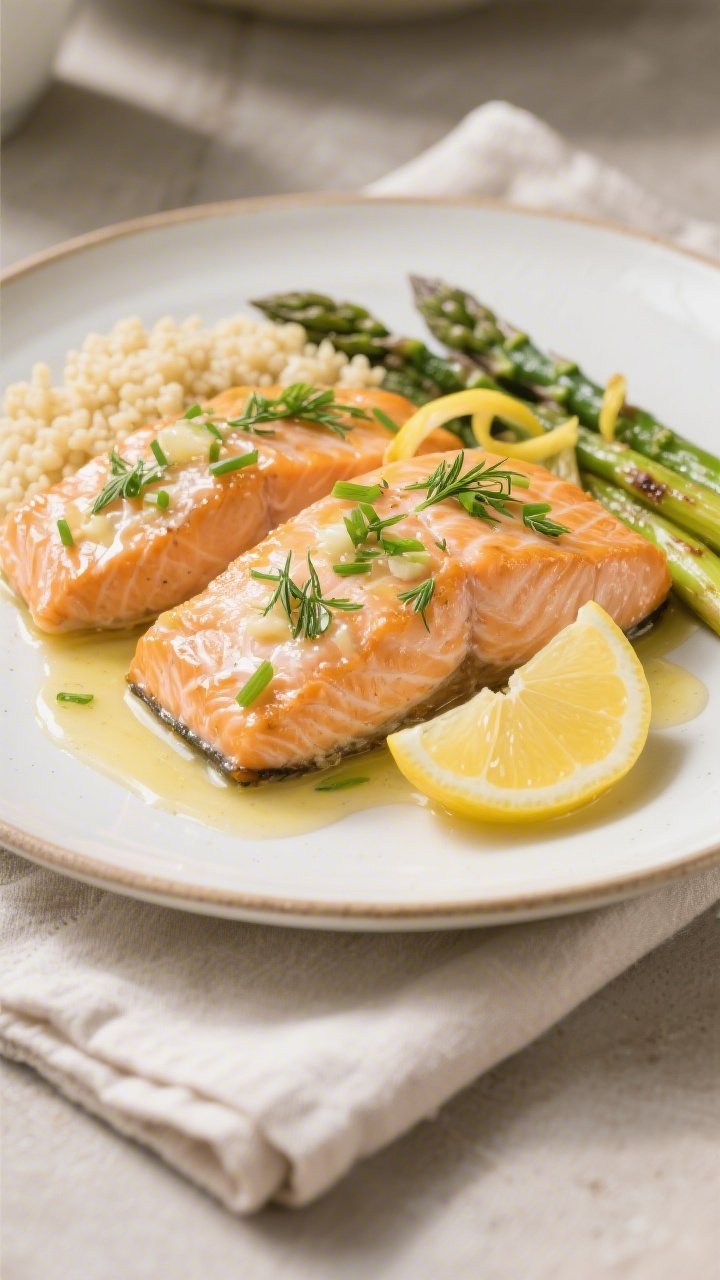
- Serve: Add extra herbs and lemon wedges. Pair with rice, couscous, roasted potatoes, or a crisp salad. Spoon any extra sauce over vegetables or grains.
Why This Recipe Works
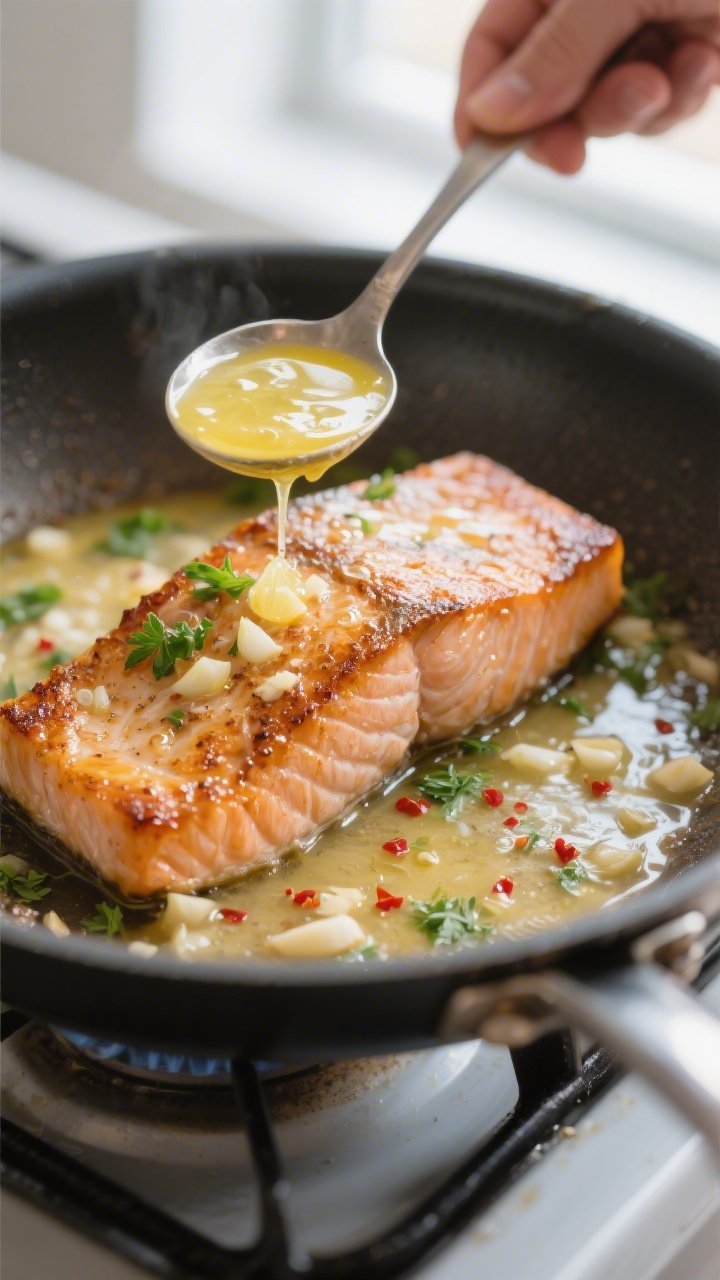
- High heat, short time: Searing or roasting at the right temp keeps the salmon tender inside while building light browning on the outside.
- Butter + lemon balance: The richness of butter softens the acidity of lemon, creating a silky, rounded sauce that won’t taste sour.
- Layered flavor, simple steps: Garlic, fresh herbs, and a touch of honey or Dijon add depth without complicating the process.
- Flexible method: This works in a skillet or the oven, with skin-on or skinless fillets.
Ingredients
- 4 salmon fillets (5–6 ounces each), skin on or off
- 1 teaspoon kosher salt, plus more to taste
- 1/2 teaspoon black pepper
- 1 tablespoon olive oil (for searing or drizzling)
- 4 tablespoons unsalted butter
- 2 cloves garlic, minced
- 1 large lemon: zest and 2–3 tablespoons juice, plus slices for garnish
- 1–2 teaspoons honey or 1 teaspoon Dijon mustard (optional, for balance)
- 2 tablespoons fresh parsley, dill, or chives, chopped
- Red pepper flakes (optional, a pinch)
- Lemon wedges, for serving
Step-by-Step Instructions
- Pat the salmon dry: Use paper towels to blot both sides. Dry fish browns better and won’t stick as much.
- Season: Sprinkle the fillets with salt and pepper. If the fillets are thick, season the sides too.
- Choose your method: Skillet for a crisp edge, or oven for hands-off cooking.
Both deliver great results.
- Skillet method (quick): Heat a large nonstick or stainless skillet over medium-high. Add olive oil. Place salmon in the pan, skin-side down if using skin-on.
Cook 3–4 minutes until the underside browns and the fish releases easily. Flip and cook another 2–4 minutes, depending on thickness, until the center is just turning opaque.
- Oven method (even cooking): Preheat to 400°F (200°C). Line a sheet pan with parchment.
Drizzle salmon with olive oil; season. Roast 9–12 minutes, depending on thickness, until just opaque and flakes with gentle pressure.
- Make the lemon butter: In a small saucepan or the empty skillet over low heat, melt the butter. Add garlic and cook 30–60 seconds until fragrant, not browned.
Stir in lemon zest and juice. Taste and balance with a touch of honey or Dijon if it’s too sharp. Add a pinch of red pepper flakes if you like heat.
Finish with chopped herbs. Do not boil the sauce—gentle heat keeps it silky.
- Finish the fish: Spoon warm lemon butter over the salmon. Let it rest 2 minutes so the sauce soaks in.
- Serve: Add extra herbs and lemon wedges. Pair with rice, couscous, roasted potatoes, or a crisp salad.
Spoon any extra sauce over vegetables or grains.
Loved This Recipe?
If you're looking for more simple, healthy keto dinners, grab my FREE 7-Day Easy Keto Dinner Reset. You'll get 7 easy keto dinner recipes, simple grocery lists, and a done-for-you plan that takes the stress out of mealtime.
Keeping It Fresh
- Storage: Cool leftovers, then refrigerate in an airtight container for up to 2 days.
- Reheating: Warm gently at 275°F (135°C) for 10–12 minutes or in a covered skillet over low heat with a splash of water. Avoid microwaving on high; it dries the fish quickly.
- Freezing: Cooked salmon can be frozen up to 2 months, but texture is best fresh. If freezing, wrap tightly and thaw in the fridge.
- Make-ahead tips: Mix the lemon butter sauce (without herbs) a day ahead. Rewarm gently and stir in fresh herbs just before serving.
Health Benefits
- Omega-3 fats: Salmon is rich in EPA and DHA, which support heart and brain health.
- High-quality protein: Helps with muscle repair and steady energy.
- Vitamins and minerals: A good source of vitamin D, B12, selenium, and potassium.
- Balanced sauce: Butter adds richness, but lemon brightens and keeps portions satisfying with less need for heavy sides.
What Not to Do
- Don’t overcook: Dry salmon is the main way this goes wrong.
Aim for medium, about 125–130°F (52–54°C) in the thickest part, or remove when it just flakes.
- Don’t scorch the garlic: Burnt garlic turns bitter and will dominate the sauce. Keep heat low.
- Don’t skip drying the fillets: Surface moisture prevents browning and encourages sticking.
- Don’t drown the fish: Add enough sauce to coat. Too much can make the dish greasy.
- Don’t season only at the end: Salt early so it penetrates a bit and the fish tastes seasoned throughout.
Alternatives
- Herb swaps: Try tarragon for a light anise note, basil for a summery vibe, or cilantro with a squeeze of lime instead of lemon.
- Citrus options: Use Meyer lemon for a softer flavor, or mix lemon with orange for a rounded sweetness.
- Dairy-free: Replace butter with olive oil or a vegan butter.
Add a spoonful of capers for briny punch.
- Spice variations: Whisk in a pinch of smoked paprika or Aleppo pepper to the sauce.
- Different fish: This sauce works with trout, cod, halibut, or sea bass. Adjust cook time based on thickness.
- Grill version: Oil the grates well. Grill skin-side down over medium-high, covered, 6–8 minutes, then finish with warm lemon butter.
FAQ
Should I use skin-on or skinless salmon?
Both work.
Skin-on helps protect the flesh from heat and adds flavor if you crisp it. If you prefer an all-buttery surface, skinless is fine; just handle it gently.
How do I know when salmon is done without a thermometer?
Press the thickest part with a fork or your finger. It should flake easily but still look slightly translucent in the very center.
Remove from heat, and it will finish cooking as it rests.
Can I use bottled lemon juice?
Fresh juice tastes brighter and cleaner. If bottled is all you have, use a little less and add lemon zest to boost freshness.
What side dishes pair best?
Try garlic rice, buttered couscous, roasted asparagus, green beans, or a simple arugula salad. The lemon butter is great drizzled over veggies or grains.
How do I prevent salmon from sticking to the pan?
Start with a hot, well-oiled skillet.
Make sure the fish is dry. Let it sear undisturbed until it naturally releases before flipping.
Can I make this with frozen salmon?
Yes. Thaw overnight in the fridge, then pat dry very well before cooking.
Frozen fillets that are thawed tend to release more moisture, so dry them again right before they hit the pan.
Is farmed or wild salmon better for this?
Both are good. Wild tends to be leaner and cooks a bit faster; farmed is richer and more forgiving. Adjust time and doneness checks accordingly.
Wrapping Up
Lemon Butter Salmon is simple cooking at its best: a few fresh ingredients, quick technique, and big flavor.
With mindful heat and a gentle sauce, you’ll get tender fish and a bright, silky finish every time. Keep the steps easy, taste as you go, and make it your own with herbs and spices you love. This is a recipe to put on repeat.
Printable Recipe Card
Want just the essential recipe details without scrolling through the article? Get our printable recipe card with just the ingredients and instructions.