Keto BBQ Beef Brisket – Tender, Smoky, and Low-Carb
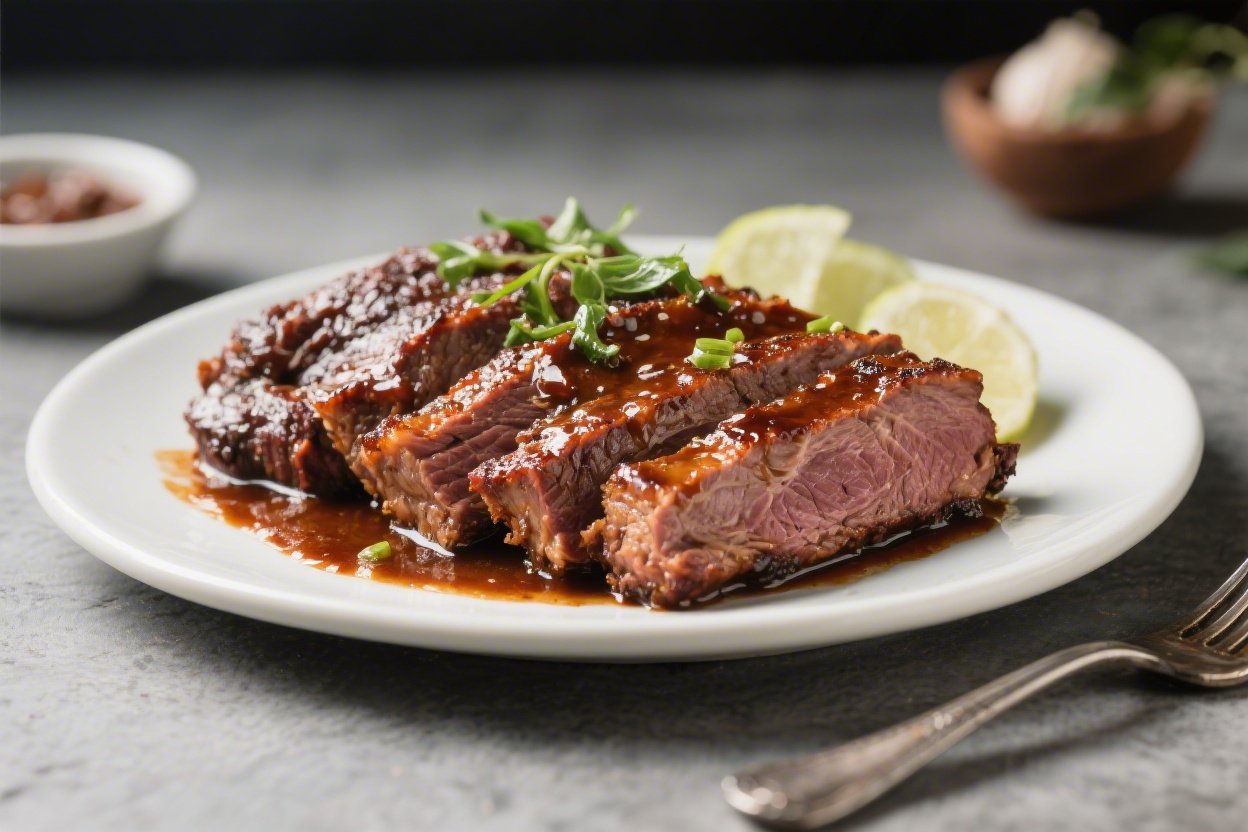
This Keto BBQ Beef Brisket gives you slow-cooked, melt-in-your-mouth beef with bold flavor and no sugar overload. It’s the kind of meal that makes a Saturday feel like a special occasion, but it’s simple enough to pull off with a little planning. You’ll get that classic BBQ taste with a keto-friendly spice rub and a tangy, low-carb sauce.
Whether you’re new to brisket or a backyard BBQ pro, this recipe brings big flavor with minimal fuss.
Ingredients
Method
- Trim and prep the brisket. Pat the brisket dry. Trim excess hard fat, but leave a 1/4-inch fat cap to keep the meat moist. Rub the surface with oil on all sides.
- Mix the rub. Combine smoked paprika, salt, pepper, garlic powder, onion powder, chipotle, cumin, dried mustard, and oregano. Taste a pinch and adjust salt or heat as needed.
- Season generously. Coat the brisket on all sides with the rub, pressing it in well. Let it rest at room temperature for 30–45 minutes while you prep your cooker. For deeper flavor, refrigerate overnight, then bring to room temp before cooking.
- Choose your cooking method. Smoker: Preheat to 225–250°F. Use hardwood like oak, hickory, or pecan.
- Oven: Preheat to 275°F. Add 1 teaspoon liquid smoke to the broth for a smoky note.
- Slow cooker: Low for 8–10 hours, then finish in the oven for bark.
- Set up moisture. In a small bowl, mix beef broth and apple cider vinegar. If smoking, use it to spritz every 60–90 minutes. If baking, pour into the roasting pan under a rack so steam keeps the brisket moist.
- Cook low and slow. Place brisket fat-side up. Cook until the internal temp reaches ~165°F and the bark is set. This usually takes 3–5 hours depending on thickness.
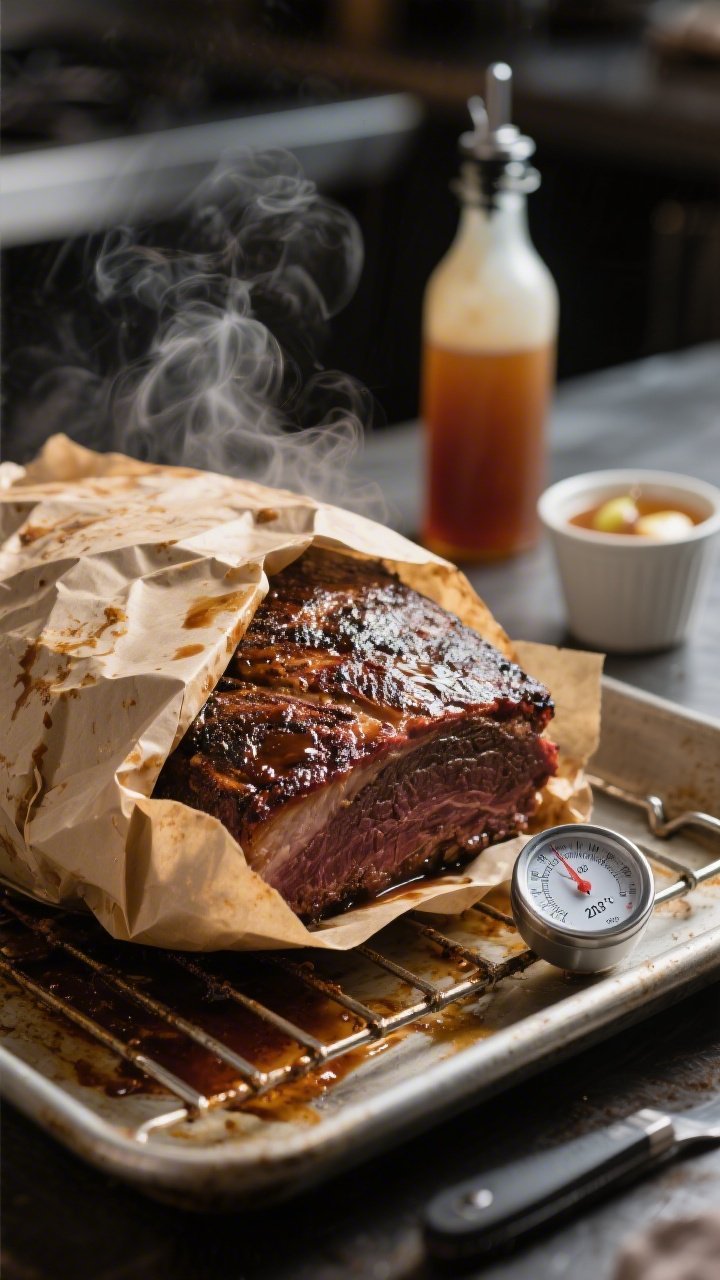
- Wrap for tenderness. Wrap the brisket in butcher paper or foil with a splash of the broth mixture. Return it to the heat and continue cooking until it reaches 200–203°F and a probe slides in like butter.
- Rest properly. Remove from heat and let the wrapped brisket rest at least 45–60 minutes. Resting lets the juices redistribute and keeps the slices moist.
- Make the glaze. While it rests, simmer sugar-free ketchup, vinegar, Worcestershire, mustard, sweetener, smoked paprika, salt, and pepper for 5–7 minutes until slightly thick. Adjust sweetener and tang to taste.
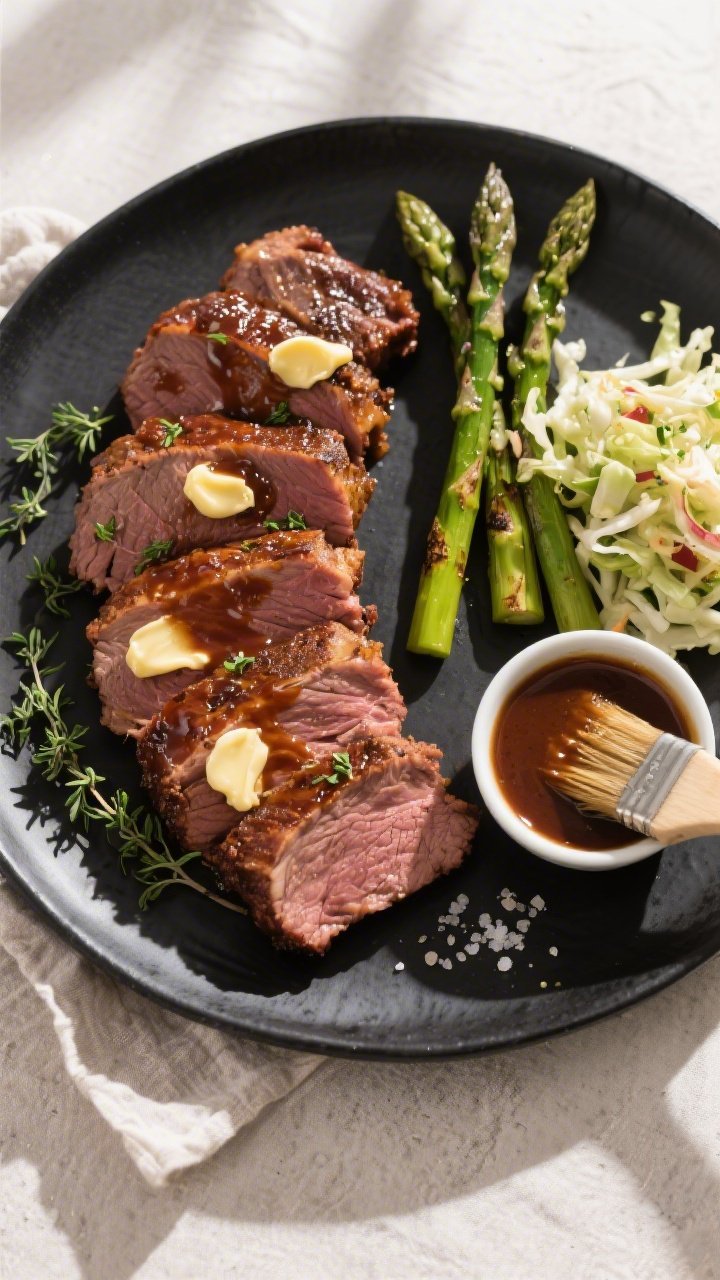
- Finish and slice. Unwrap the brisket. Brush lightly with the low-carb glaze and, if you like, dot with butter. For extra bark, put it under the broiler or back on the smoker for 5–10 minutes to set the glaze. Slice against the grain into 1/4-inch slices.
What Makes This Special
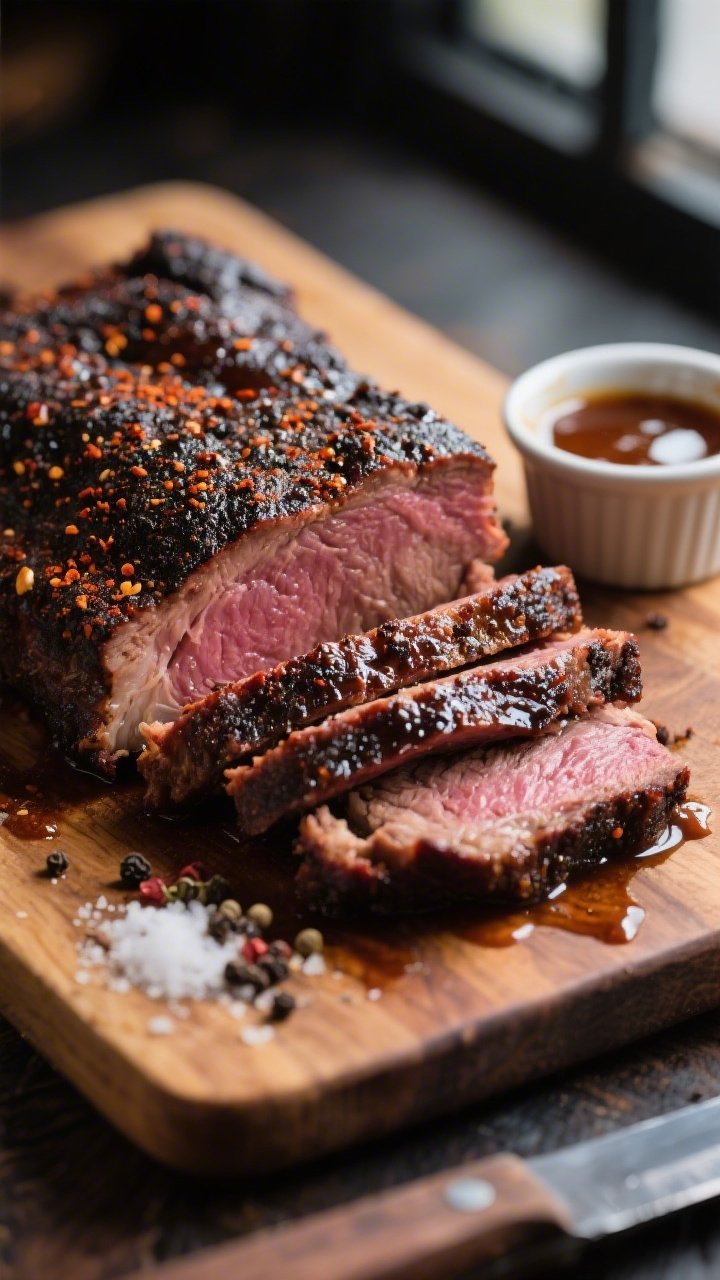
This brisket skips the sugary sauces and relies on a bold, aromatic rub plus a clean, low-carb glaze for the finish. The result is rich, smoky meat with a perfectly barked crust and zero compromise on taste. You can cook it in a smoker, oven, or slow cooker, so it fits your setup.
It’s also fantastic for meal prep—brisket tastes even better the next day. Most importantly, it stays firmly keto without feeling like a “diet” recipe.
What You’ll Need
- Beef brisket: 4–6 pounds, ideally with a nice fat cap
- Beef broth: 1 cup (for moisture during cooking)
- Apple cider vinegar: 2 tablespoons (for spritzing or braising)
- Olive oil or avocado oil: 2 tablespoons
- Unsalted butter: 2 tablespoons (optional, for finishing)
- Liquid smoke: 1 teaspoon (optional if cooking in the oven)
Dry Rub (Keto-Friendly):
- 2 tablespoons smoked paprika
- 2 tablespoons kosher salt
- 1 tablespoon black pepper
- 1 tablespoon garlic powder
- 1 tablespoon onion powder
- 1 teaspoon chipotle powder (or cayenne for heat)
- 1 teaspoon ground cumin
- 1 teaspoon dried mustard
- 1 teaspoon dried oregano
Low-Carb BBQ Glaze:
- 1/2 cup sugar-free ketchup (no added sugar)
- 2 tablespoons apple cider vinegar
- 1 tablespoon Worcestershire sauce (check carbs)
- 1 tablespoon Dijon mustard
- 1–2 teaspoons powdered sweetener (erythritol, allulose, or monk fruit), to taste
- 1/2 teaspoon smoked paprika
- Pinch of salt and pepper
Step-by-Step Instructions
- Trim and prep the brisket. Pat the brisket dry. Trim excess hard fat, but leave a 1/4-inch fat cap to keep the meat moist.
Rub the surface with oil on all sides.
- Mix the rub. Combine smoked paprika, salt, pepper, garlic powder, onion powder, chipotle, cumin, dried mustard, and oregano. Taste a pinch and adjust salt or heat as needed.
- Season generously. Coat the brisket on all sides with the rub, pressing it in well. Let it rest at room temperature for 30–45 minutes while you prep your cooker.
For deeper flavor, refrigerate overnight, then bring to room temp before cooking.
- Choose your cooking method.
- Smoker: Preheat to 225–250°F. Use hardwood like oak, hickory, or pecan.
- Oven: Preheat to 275°F. Add 1 teaspoon liquid smoke to the broth for a smoky note.
- Slow cooker: Low for 8–10 hours, then finish in the oven for bark.
- Set up moisture. In a small bowl, mix beef broth and apple cider vinegar.
If smoking, use it to spritz every 60–90 minutes. If baking, pour into the roasting pan under a rack so steam keeps the brisket moist.
- Cook low and slow. Place brisket fat-side up. Cook until the internal temp reaches ~165°F and the bark is set.
This usually takes 3–5 hours depending on thickness.
- Wrap for tenderness. Wrap the brisket in butcher paper or foil with a splash of the broth mixture. Return it to the heat and continue cooking until it reaches 200–203°F and a probe slides in like butter.
- Rest properly. Remove from heat and let the wrapped brisket rest at least 45–60 minutes. Resting lets the juices redistribute and keeps the slices moist.
- Make the glaze. While it rests, simmer sugar-free ketchup, vinegar, Worcestershire, mustard, sweetener, smoked paprika, salt, and pepper for 5–7 minutes until slightly thick.
Adjust sweetener and tang to taste.
- Finish and slice. Unwrap the brisket. Brush lightly with the low-carb glaze and, if you like, dot with butter. For extra bark, put it under the broiler or back on the smoker for 5–10 minutes to set the glaze.
Slice against the grain into 1/4-inch slices.
Storage Instructions
Loved This Recipe?
If you're looking for more simple, healthy keto dinners, grab my FREE 7-Day Easy Keto Dinner Reset. You'll get 7 easy keto dinner recipes, simple grocery lists, and a done-for-you plan that takes the stress out of mealtime.
- Refrigerator: Store sliced brisket in an airtight container with a few tablespoons of cooking juices or broth for up to 4 days.
- Freezer: Wrap portions tightly and freeze up to 3 months. Thaw overnight in the fridge.
- Reheating: Warm gently at 275°F covered with foil and a splash of broth until hot. Avoid high heat to prevent drying.
Benefits of This Recipe
- Keto-friendly: No added sugar, controlled carbs, and high in protein and healthy fats.
- Flexible cooking: Works in a smoker, oven, or slow cooker.
- Meal prep gold: Leftovers are perfect for salads, lettuce wraps, or cauliflower mash.
- Big flavor, simple steps: A straightforward rub and an easy glaze deliver classic BBQ taste.
Pitfalls to Watch Out For
- Undersalting: Brisket is a large cut.
Be generous with seasoning to avoid bland results.
- Skipping the wrap: Without wrapping, the stall can last forever and the meat may dry out.
- Not resting long enough: Slicing too soon drains the juices. Rest at least 45 minutes.
- Over-sweeteners: Some sugar substitutes taste bitter when heated. Start small and taste as you go.
- Slicing with the grain: Always cut against the grain for tender bites.
Variations You Can Try
- Texas-style dry: Skip the glaze and finish with extra black pepper and a splash of vinegar.
- Coffee rub: Add 1 tablespoon finely ground coffee to the rub for deeper, roasty notes.
- Spicy kick: Increase chipotle or add chili flakes for heat without carbs.
- Slow cooker + oven finish: Cook on low, then broil or roast at 450°F for 10 minutes to set the bark.
- Butter baste: Melt butter with garlic and brush on during the final 20 minutes for richness.
FAQ
Is brisket naturally keto?
Yes.
Brisket is all protein and fat, with virtually zero carbs. Just keep the rub and sauce sugar-free to stay keto.
What if I don’t have a smoker?
The oven works great. Cook low and slow at 275°F with a pan of broth below the meat, and a bit of liquid smoke in the broth for flavor.
Finish with the glaze under the broiler for a light char.
How do I know when it’s done?
Use temperature and feel. At 200–203°F, a probe should slide in with very little resistance. If it feels tight, keep cooking and check every 15–20 minutes.
Can I make this ahead?
Absolutely.
Brisket often tastes better the next day. Reheat gently with a splash of broth, then slice and glaze before serving.
What sides go well while staying keto?
Try cauliflower mash, grilled asparagus, coleslaw with a sugar-free dressing, sautéed greens, or roasted Brussels sprouts.
Which sweetener works best for the glaze?
Allulose gives the smoothest result and browns nicely. Erythritol can crystallize a bit, so use less or blend it with monk fruit.
Should I cook fat-side up or down?
Fat-side up helps baste the meat in most setups.
If your heat source is below and intense, fat-side down can protect the meat. Either way works—focus on steady temperature.
How thick should I slice?
About 1/4 inch for slices. If the brisket is ultra tender, go a bit thicker so it doesn’t fall apart.
Can I use a store-bought sugar-free BBQ sauce?
Yes, but read labels.
Choose a brand with clean ingredients and minimal carbs, and adjust seasoning so it doesn’t overpower the rub.
What can I do with leftovers?
Make brisket lettuce wraps, keto tacos with cheese shells, chopped brisket bowls with cauliflower rice, or brisket-stuffed mushrooms. It’s versatile and reheats well.
Final Thoughts
This Keto BBQ Beef Brisket brings real BBQ flavor without the sugar. With a bold rub, slow cooking, and a clean glaze, you get tender slices and a proper bark every time.
It’s flexible, forgiving, and perfect for weekends, gatherings, or meal prep. Keep the steps simple, trust your thermometer, and let it rest. You’ll end up with a low-carb BBQ classic you’ll make again and again.
Printable Recipe Card
Want just the essential recipe details without scrolling through the article? Get our printable recipe card with just the ingredients and instructions.