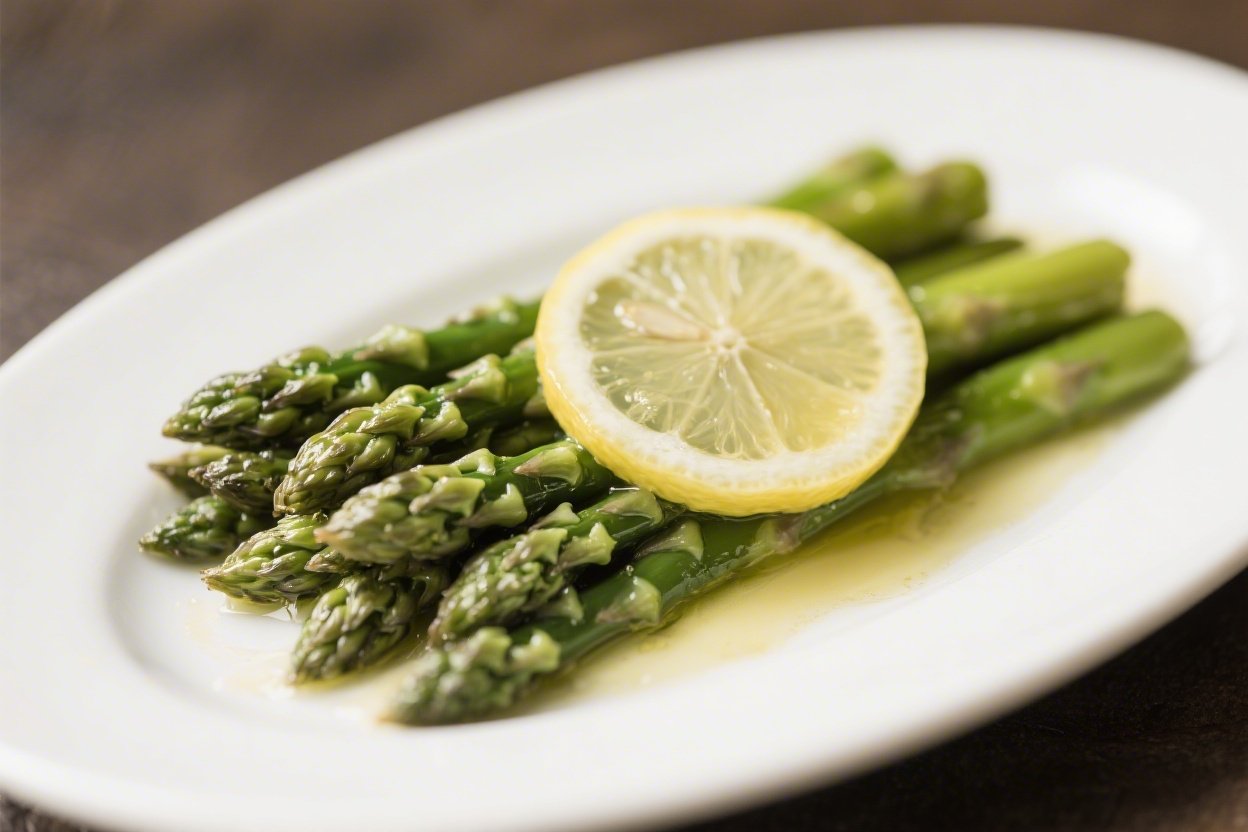
Lemon Butter Asparagus – Bright, Simple, and Flavorful
Tender asparagus, warm butter, and a splash of lemon are all you need for a side dish that tastes like spring. This recipe is quick enough for weeknights but pretty enough for guests. It highlights fresh produce without a long ingredient list or complicated steps.
You’ll get crisp-tender stalks, a glossy finish, and just the right hit of citrus. Keep it simple, keep it bright, and let the asparagus shine.
Ingredients
Method
- Prep the asparagus: Rinse and pat dry. Snap off the woody ends; they’ll naturally break where the tender part begins. If the stalks are thick, peel the bottom third to keep the texture even.
- Zest and juice the lemon: Zest the lemon first, then cut and juice it. Set aside 2–3 teaspoons of juice and about 1 teaspoon of zest.
- Heat the pan: Place a large skillet over medium heat. Add olive oil and butter. As the butter melts, swirl until foamy but not browned.
- Add garlic (if using): Cook for 20–30 seconds, just until fragrant. Don’t let it brown, or it will taste bitter.
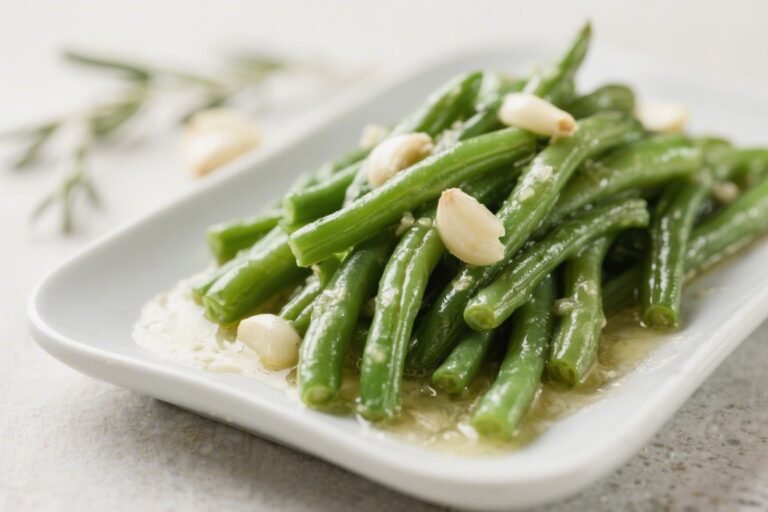
- Sauté the asparagus: Add asparagus in a single layer. Season with a generous pinch of salt and a few grinds of black pepper. Cook for 4–7 minutes, turning occasionally. Aim for bright green and crisp-tender. Thin stalks cook faster; thick ones take longer.
- Finish with lemon: Turn off the heat. Add the lemon juice and zest, plus a small pinch of red pepper flakes if you like. Toss to coat. Taste and adjust salt and pepper.
- Garnish and serve: Top with chopped herbs and a light shower of Parmesan, if using. Serve warm while the spears are glossy and vibrant.

Why This Recipe Works
This dish leans on balance: rich butter offsets the natural earthiness of asparagus, while lemon slices through with freshness. A quick sauté keeps the stalks crisp-tender instead of soggy.
Finishing with lemon zest and a touch of salt wakes up every bite. The method is dependable, fast, and easy to scale. You get restaurant-quality results with pantry staples in under 15 minutes.
Ingredients
- 1 pound asparagus, trimmed (thin or medium-thick stalks work best)
- 2 tablespoons unsalted butter (or ghee for a nuttier flavor)
- 1 tablespoon extra-virgin olive oil (helps prevent the butter from burning)
- 1 large lemon (zest and 2–3 teaspoons juice)
- 1 small garlic clove, finely minced (optional but recommended)
- Kosher salt, to taste
- Freshly ground black pepper, to taste
- Red pepper flakes, a pinch (optional for gentle heat)
- Fresh parsley or chives, chopped, for garnish (optional)
- Grated Parmesan, for serving (optional)
How to Make It
- Prep the asparagus: Rinse and pat dry.
Snap off the woody ends; they’ll naturally break where the tender part begins. If the stalks are thick, peel the bottom third to keep the texture even.
- Zest and juice the lemon: Zest the lemon first, then cut and juice it. Set aside 2–3 teaspoons of juice and about 1 teaspoon of zest.
- Heat the pan: Place a large skillet over medium heat.
Add olive oil and butter. As the butter melts, swirl until foamy but not browned.
- Add garlic (if using): Cook for 20–30 seconds, just until fragrant. Don’t let it brown, or it will taste bitter.
- Sauté the asparagus: Add asparagus in a single layer.
Season with a generous pinch of salt and a few grinds of black pepper. Cook for 4–7 minutes, turning occasionally. Aim for bright green and crisp-tender.
Thin stalks cook faster; thick ones take longer.
- Finish with lemon: Turn off the heat. Add the lemon juice and zest, plus a small pinch of red pepper flakes if you like. Toss to coat.
Taste and adjust salt and pepper.
- Garnish and serve: Top with chopped herbs and a light shower of Parmesan, if using. Serve warm while the spears are glossy and vibrant.
How to Store
Store leftovers in an airtight container in the fridge for up to 3 days. Reheat gently in a skillet over low heat with a small pat of butter or a splash of water to revive the texture.
Avoid the microwave if possible, as it can make the asparagus soft and dull in color. If you plan to meal prep, undercook the asparagus by a minute so it keeps better after reheating.
Health Benefits
- Rich in fiber: Asparagus supports digestion and helps you feel satisfied without many calories.
- Loaded with vitamins: It’s a great source of vitamins A, C, E, and K, plus folate, which supports cell health.
- Antioxidants: Asparagus contains glutathione and other antioxidants that help protect cells from damage.
- Balanced fats: Butter adds flavor and fat-soluble vitamin absorption; olive oil adds heart-healthy monounsaturated fats.
- Lemon boost: Vitamin C from lemon supports immunity and brightens flavor without extra sodium.
What Not to Do
- Don’t overcook: Mushy, olive-drab asparagus loses flavor and appeal. Pull it when it’s bright green and tender with a slight snap.
- Don’t skip seasoning: A pinch of salt early on draws out flavor; adjust at the end so the lemon doesn’t make it taste flat.
- Don’t brown the garlic: Burned garlic turns bitter fast.
Keep the heat moderate and move quickly.
- Don’t add lemon too early: Acid can dull the green if cooked too long. Add lemon off the heat or at the very end.
- Don’t crowd the pan: Overcrowding steams the asparagus instead of giving it light color and a better texture.
Alternatives
- Dairy-free: Use all olive oil or a plant-based butter. Add a spoon of tahini at the end for creamy richness.
- Roasted version: Toss asparagus with olive oil, salt, and pepper.
Roast at 425°F (220°C) for 10–14 minutes, then finish with melted butter, lemon zest, and juice.
- Grilled version: Oil and season the spears. Grill over medium-high heat for 5–7 minutes, turning once. Finish with lemon butter and herbs.
- Nutty twist: Brown the butter first for a toasty, deeper flavor, then add lemon off heat.
Toasted almonds or pine nuts are a great topping.
- Extra-bright: Add a spoonful of capers or a dash of white wine to the pan right before finishing with lemon.
- Herb swap: Try dill with seafood, tarragon for a French vibe, or mint for a fresh spring spin.
FAQ
How do I know when asparagus is done?
Look for bright green color, a slight sheen, and a fork that slips in with light resistance. The stalk should bend a little but not flop. Taste a piece; it should be tender with a small snap.
Do I need to blanch asparagus first?
No, not for this recipe.
Sautéing gives great texture without the extra step. If your spears are very thick, peel the lower third and add a minute to the cook time.
Can I use bottled lemon juice?
Fresh lemon juice tastes cleaner and brighter. Bottled juice can be harsh.
If you must use it, start with a smaller amount and add extra zest to balance.
What should I serve with lemon butter asparagus?
It pairs well with roast chicken, salmon, pan-seared steak, or simple pasta. It’s also great alongside grain bowls with quinoa or farro. The lemon cuts through richer mains nicely.
How can I keep the color bright?
Cook quickly over medium heat and avoid overcooking.
Add lemon at the end, not early. If you want super vibrant spears for presentation, you can shock them in cold water after a brief sauté, then rewarm in the lemon butter.
Is this recipe keto or low-carb?
Yes, asparagus is naturally low in carbs, and butter and olive oil fit keto guidelines. Skip the Parmesan if you’re watching dairy, or use a small amount to stay within your goals.
Can I make this ahead for guests?
Yes, but undercook the asparagus by a minute.
Right before serving, rewarm gently in the skillet with a bit more butter, then add lemon juice and zest to finish.
How do I trim asparagus quickly?
Line the spears on a cutting board and cut where the stalks turn from pale and woody to brighter green, about 1 to 1.5 inches from the bottom. Snapping one stalk at the natural break point helps you gauge where to cut the rest.
What if my asparagus is very thin?
Reduce the cook time to 3–4 minutes. Thin spears cook fast and can go from perfect to limp quickly, so keep an eye on them.
Can I add protein directly to the pan?
Yes.
Shrimp cooks quickly and works well. Sauté shrimp first, remove, cook the asparagus, then return the shrimp and finish with lemon butter for a full meal.
In Conclusion
Lemon Butter Asparagus is the kind of side that makes dinner feel special with almost no effort. The method is straightforward, the ingredients are familiar, and the results are fresh and bright.
Keep the heat moderate, the cook time short, and the lemon for last. With those simple steps, you’ll have a reliable go-to that fits any weeknight and every kind of main. Enjoy it as-is, or use the variations to make it your own.
Printable Recipe Card
Want just the essential recipe details without scrolling through the article? Get our printable recipe card with just the ingredients and instructions.