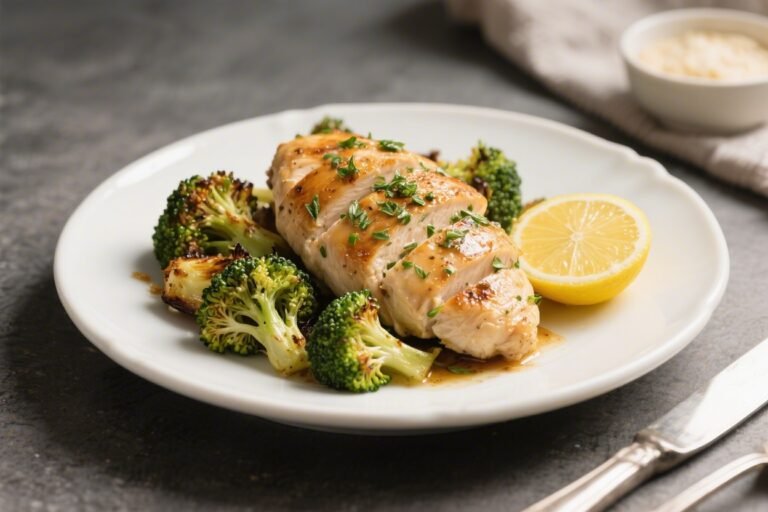
Lemon Butter Salmon & Asparagus Meal Prep – Bright, Simple, and Satisfying
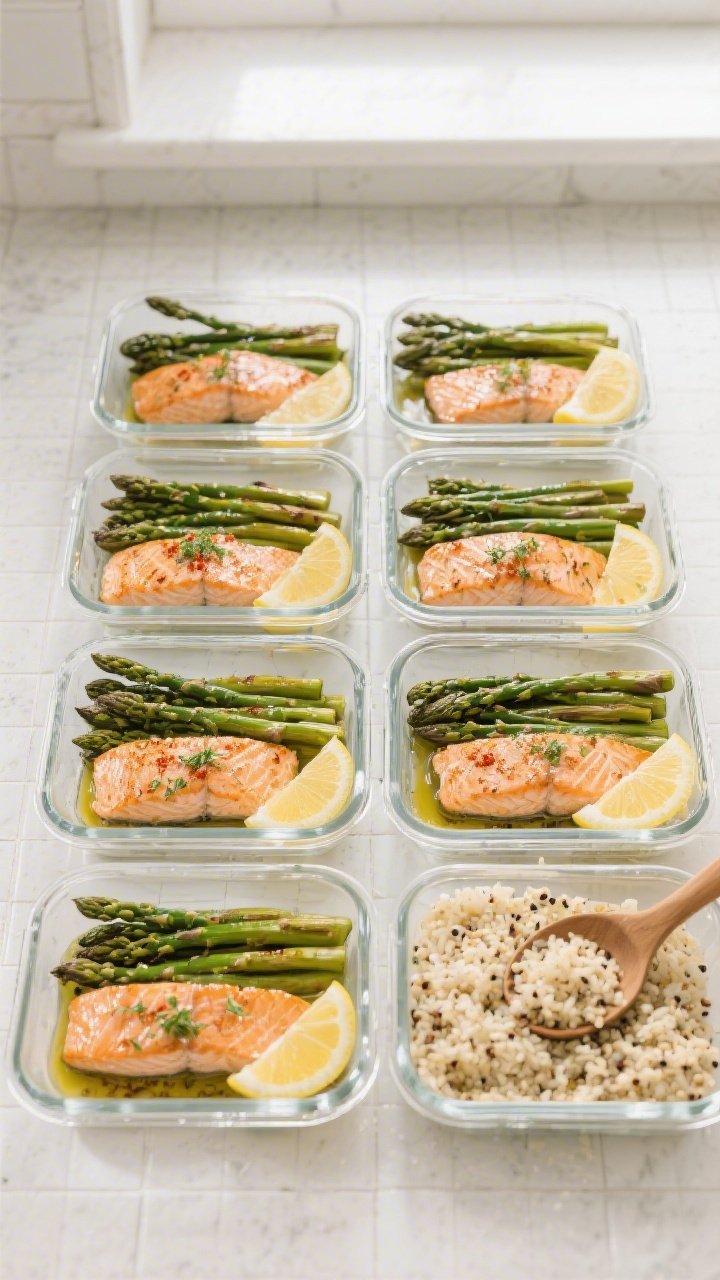
This is the kind of meal prep that makes weekday lunches feel like something you’d order at a nice café. Tender salmon, crisp-tender asparagus, and a glossy lemon butter sauce come together with almost no fuss. It cooks fast, tastes fresh, and reheats beautifully.
You get protein, veggies, and healthy fats in every bite—without a sink full of dishes. If you’re looking for a meal you’ll actually look forward to eating, this one checks all the boxes.
Ingredients
Method
- Preheat and prepare: Heat your oven to 400°F (205°C). Line a sheet pan with parchment or lightly oil it. Pat salmon dry with paper towels for better browning.
- Season the salmon: Rub fillets with a little olive oil. Sprinkle with 1 teaspoon kosher salt, 1/2 teaspoon black pepper, and 1/2 teaspoon smoked paprika if using. Place skin-side down on the pan.
- Prep the asparagus: Snap off the woody ends. Toss spears with 1 tablespoon olive oil, 1/2 teaspoon salt, and a pinch of pepper. Spread around the salmon in a single layer.
- Make the lemon butter: In a small saucepan or microwave-safe bowl, melt 6 tablespoons butter. Stir in lemon zest, the juice of 1.5–2 lemons (about 3–4 tablespoons), minced garlic, and a pinch of red pepper flakes if you like heat. Add half the chopped herbs. Taste and adjust salt.
- Sauce the salmon and asparagus: Spoon about two-thirds of the lemon butter over the salmon fillets. Drizzle the remaining sauce over the asparagus. Reserve a tablespoon or two for after cooking if possible.
- Roast: Bake for 10–12 minutes, depending on thickness. Salmon should be just opaque and flake easily with a fork (internal temp around 125–130°F for medium). Asparagus should be crisp-tender with some browning.
- Finish with herbs: Remove from the oven and spoon any reserved lemon butter over the salmon. Sprinkle with the remaining fresh herbs. Add lemon slices if you like.
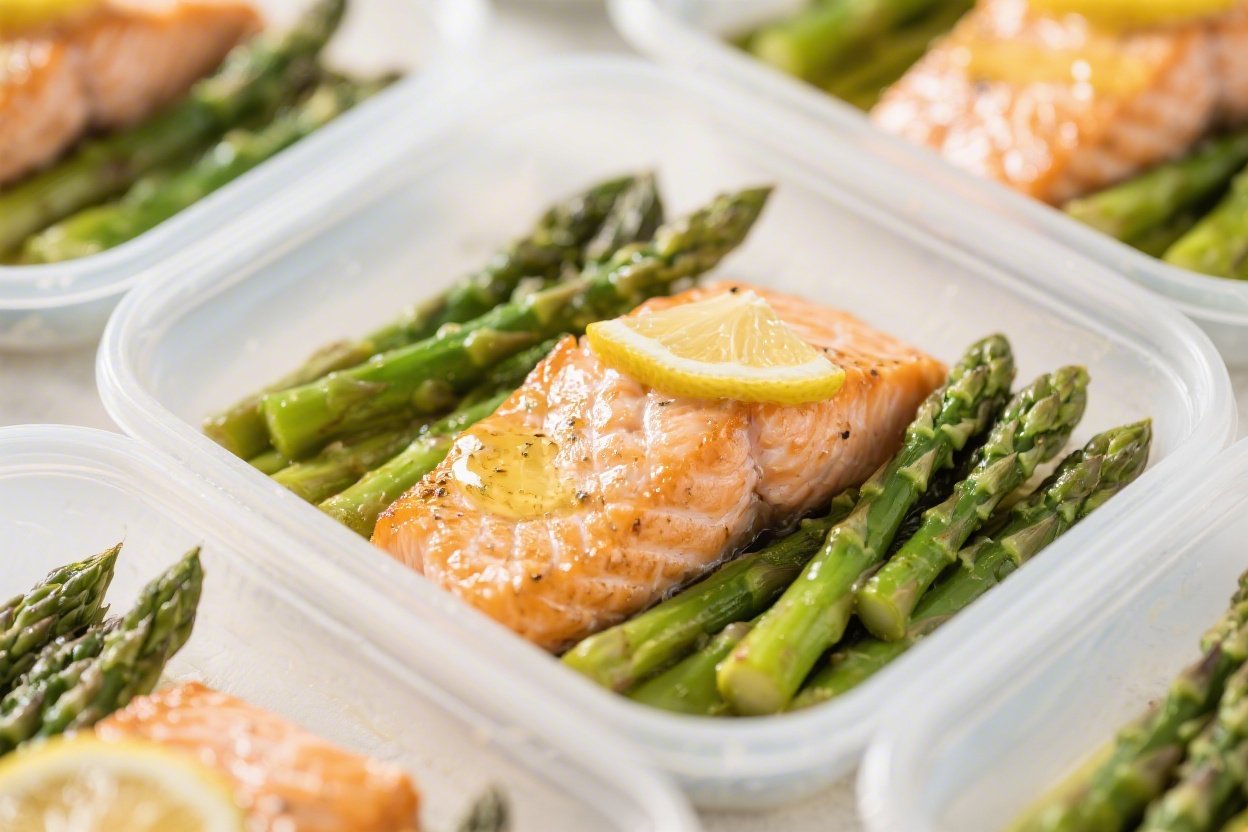
- Build your meal prep: Divide salmon and asparagus into 4 containers. If you’re adding rice, quinoa, or potatoes, portion about 1/2 to 3/4 cup per container. Let everything cool slightly before sealing.
- Optional pan sauce boost: If you want extra sauce, quickly whisk a teaspoon of Dijon into any pan juices. Spoon over the salmon before storing.
What Makes This Recipe So Good
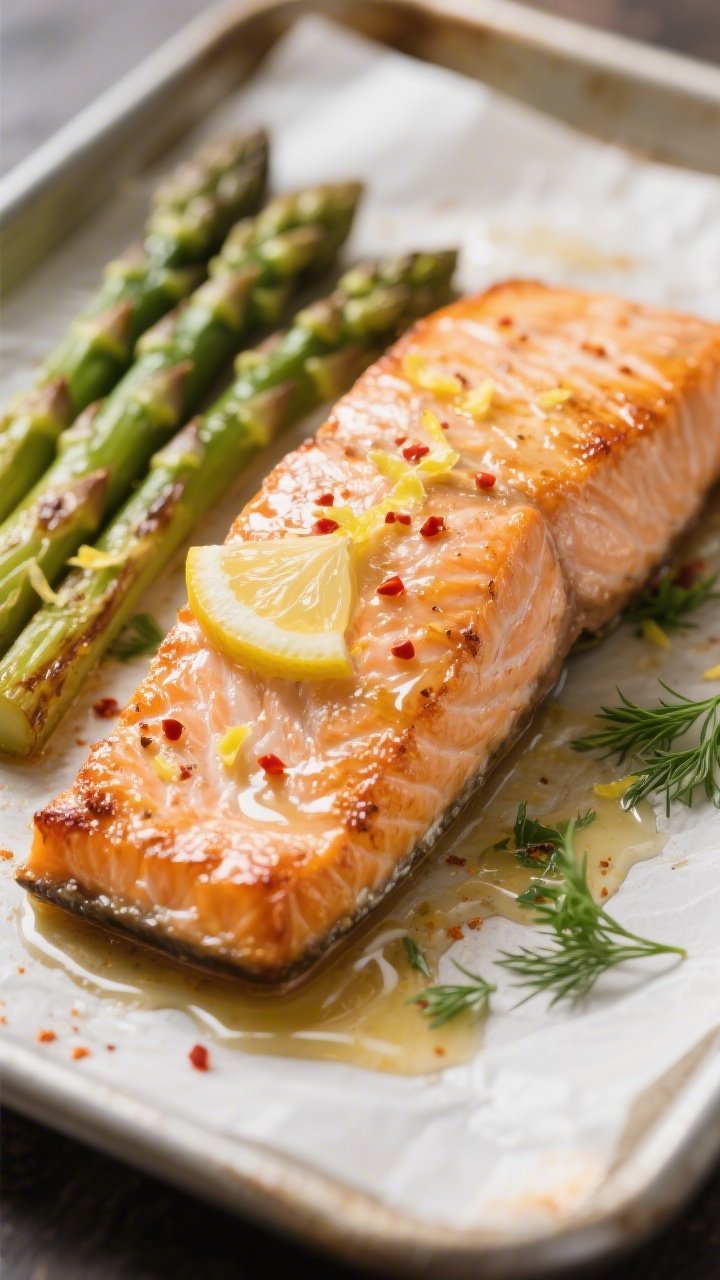
- Fast, one-pan cooking: Salmon and asparagus cook together on a single sheet pan or skillet. Minimal cleanup and maximum flavor.
- Simple ingredients, big flavor: Butter, lemon, garlic, and herbs do all the heavy lifting.
Nothing fancy, just classic flavors that always work.
- Great for meal prep: The salmon stays moist, the asparagus holds its texture, and the sauce keeps everything delicious for days.
- Balanced and satisfying: High-quality protein, fiber-rich veggies, and healthy fats keep you full and energized.
- Customizable: Add rice, quinoa, or potatoes to make it heartier, or keep it low-carb as is.
Shopping List
- Salmon: 4 skin-on fillets (about 5–6 ounces each)
- Asparagus: 1 to 1.5 pounds, woody ends trimmed
- Unsalted butter: 6 tablespoons
- Lemon: 2 large (zest one, juice both)
- Garlic: 3–4 cloves, minced
- Olive oil: 1–2 tablespoons
- Fresh herbs: Dill or parsley (about 2 tablespoons, chopped)
- Spices: Kosher salt, black pepper, red pepper flakes (optional), smoked paprika (optional)
- Optional sides: Cooked rice, quinoa, or roasted baby potatoes
- Optional garnish: Lemon slices for serving
Step-by-Step Instructions
- Preheat and prepare: Heat your oven to 400°F (205°C). Line a sheet pan with parchment or lightly oil it. Pat salmon dry with paper towels for better browning.
- Season the salmon: Rub fillets with a little olive oil.
Sprinkle with 1 teaspoon kosher salt, 1/2 teaspoon black pepper, and 1/2 teaspoon smoked paprika if using. Place skin-side down on the pan.
- Prep the asparagus: Snap off the woody ends. Toss spears with 1 tablespoon olive oil, 1/2 teaspoon salt, and a pinch of pepper.
Spread around the salmon in a single layer.
- Make the lemon butter: In a small saucepan or microwave-safe bowl, melt 6 tablespoons butter. Stir in lemon zest, the juice of 1.5–2 lemons (about 3–4 tablespoons), minced garlic, and a pinch of red pepper flakes if you like heat. Add half the chopped herbs.
Taste and adjust salt.
- Sauce the salmon and asparagus: Spoon about two-thirds of the lemon butter over the salmon fillets. Drizzle the remaining sauce over the asparagus. Reserve a tablespoon or two for after cooking if possible.
- Roast: Bake for 10–12 minutes, depending on thickness.
Salmon should be just opaque and flake easily with a fork (internal temp around 125–130°F for medium). Asparagus should be crisp-tender with some browning.
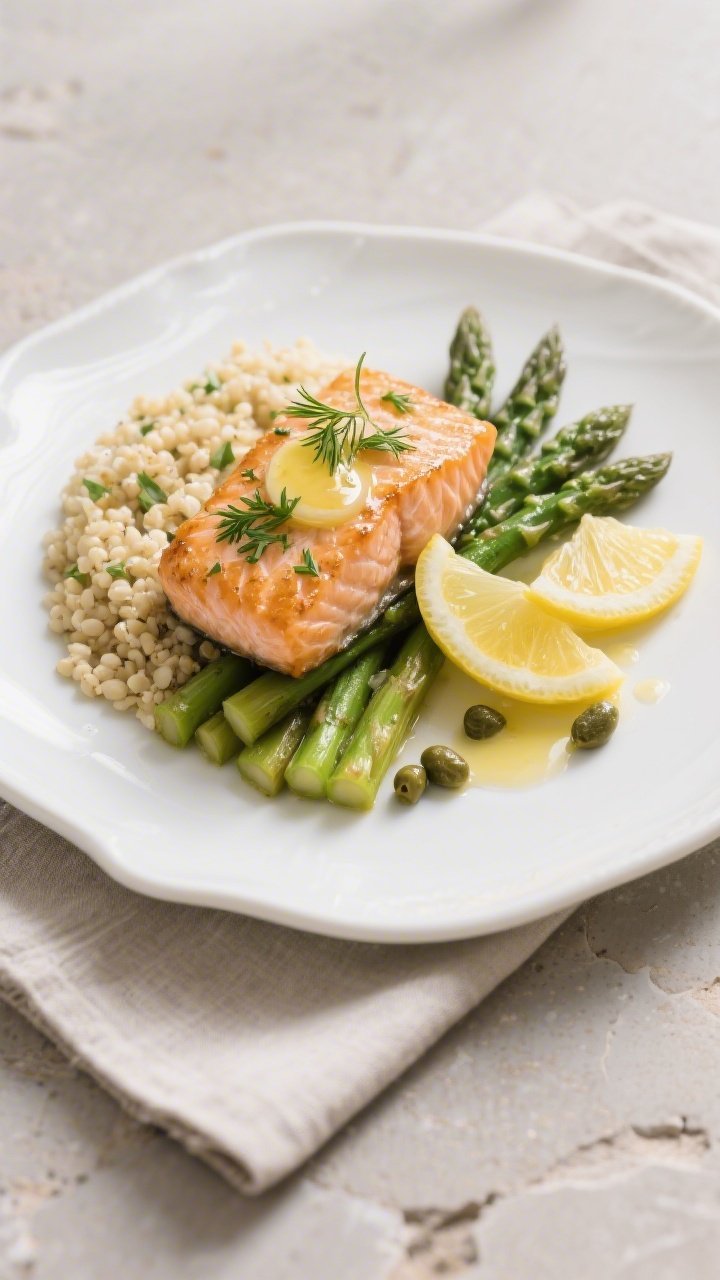
- Finish with herbs: Remove from the oven and spoon any reserved lemon butter over the salmon. Sprinkle with the remaining fresh herbs.
Add lemon slices if you like.
- Build your meal prep: Divide salmon and asparagus into 4 containers. If you’re adding rice, quinoa, or potatoes, portion about 1/2 to 3/4 cup per container. Let everything cool slightly before sealing.
- Optional pan sauce boost: If you want extra sauce, quickly whisk a teaspoon of Dijon into any pan juices.
Spoon over the salmon before storing.
Storage Instructions
- Refrigerate: Store in airtight containers for up to 4 days.
- Reheat gently: Microwave on medium power for 60–90 seconds, just until warm. Or reheat in a covered skillet over low heat with a splash of water or broth.
- Freezing: Salmon can be frozen up to 2 months, but asparagus softens when thawed. If freezing, store the asparagus separately or plan to roast a fresh batch later.
- Keep sauce separate: If you made extra lemon butter, store it in a small container and add after reheating for a fresh finish.
Why This is Good for You
Loved This Recipe?
If you're looking for more simple, healthy keto dinners, grab my FREE 7-Day Easy Keto Dinner Reset. You'll get 7 easy keto dinner recipes, simple grocery lists, and a done-for-you plan that takes the stress out of mealtime.
- Omega-3s for heart and brain: Salmon is rich in EPA and DHA, which support heart health, brain function, and reduce inflammation.
- Protein that satisfies: Each serving provides a solid boost of protein to keep you full and steady your energy.
- Fiber and micronutrients: Asparagus brings fiber, folate, vitamin K, and antioxidants that support digestion and overall wellness.
- Balanced fats: Butter adds flavor and satiety, while olive oil provides monounsaturated fats.
The lemon keeps the dish light and bright.
What Not to Do
- Don’t overcook the salmon: Dry salmon is the fastest way to ruin this meal. Pull it when it flakes easily and still looks slightly glossy inside.
- Don’t crowd the pan: If everything is piled up, you’ll steam instead of roast. Use two pans if needed.
- Don’t skip drying the fish: Moisture on the surface prevents browning and dilutes the sauce.
- Don’t store while piping hot: Let the food cool for 10–15 minutes before sealing to avoid condensation and sogginess.
- Don’t drown the asparagus: Too much sauce or oil can make it limp.
A light coating is enough.
Alternatives
- Protein swaps: Try trout, cod, or chicken thighs. For chicken, increase cook time to 20–25 minutes, adding asparagus for the last 12 minutes.
- Veggie swaps: Broccolini, green beans, or zucchini roast well with similar timing. Thicker veggies like carrots need more time.
- Dairy-free: Use vegan butter or extra-virgin olive oil.
Add a teaspoon of Dijon and a splash of vegetable broth for richness.
- Low-carb sides: Serve with cauliflower rice or a simple arugula salad.
- Herb variations: Basil, chives, or tarragon change the vibe without changing the method.
- Extra flavor: Add capers to the sauce, or finish with toasted almonds for crunch.
FAQ
How do I know when salmon is done?
The flesh should turn opaque and flake easily with a fork, but still look moist inside. An instant-read thermometer should read around 125–130°F for medium. It will continue to cook slightly after you pull it from the oven.
Can I cook this in a skillet instead of the oven?
Yes.
Sear salmon skin-side down in a lightly oiled skillet over medium heat for 5–6 minutes, flip and cook 1–2 minutes more. Remove the salmon, sauté the asparagus in the same pan until crisp-tender, then pour in the lemon butter to coat everything.
What if my asparagus spears are very thick?
Give them a 2–3 minute head start in the oven before adding the salmon, or slice them in half lengthwise. You want them tender by the time the salmon is done.
How can I prevent fishy smell when reheating?
Reheat gently on medium power and avoid overheating.
Adding a squeeze of fresh lemon or a spoon of reserved sauce after reheating helps keep the aroma bright and clean.
Do I need to remove the salmon skin?
Not necessary. Cooking skin-on helps keep the fish moist and makes it easier to handle. You can peel it off easily after roasting if you prefer.
Can I make the sauce ahead?
Absolutely.
Mix it up and store covered in the fridge for up to 3 days. Melt or warm gently before using, and stir to re-emulsify.
What sides pair best?
Fluffy rice, garlicky quinoa, or roasted baby potatoes are great. For something lighter, a lemony couscous salad or mixed greens works well.
Is frozen salmon okay?
Yes.
Thaw fully in the fridge overnight, then pat very dry before seasoning and roasting. Frozen salmon can be just as good as fresh if handled well.
How spicy is it with red pepper flakes?
It’s mild, just a subtle warmth. If you’re sensitive to heat, skip them.
If you love spice, add a pinch more or finish with a dash of hot sauce.
Wrapping Up
Lemon Butter Salmon & Asparagus Meal Prep gives you a bright, hearty meal that’s ready when you are. The steps are simple, the ingredients are easy to find, and the results taste fresh all week. Keep it as-is for a light lunch, or pair with your favorite grain for something more filling.
With a little planning, this becomes a reliable, go-to option for busy days without sacrificing flavor or nutrition.
Printable Recipe Card
Want just the essential recipe details without scrolling through the article? Get our printable recipe card with just the ingredients and instructions.